Summary: views from the parking lots of Cape Cod



Summary: views from the parking lots of Cape Cod
Summary: beasts of no nation







Summary: images from an extraordinary Vermont institution that is like no place else on earth
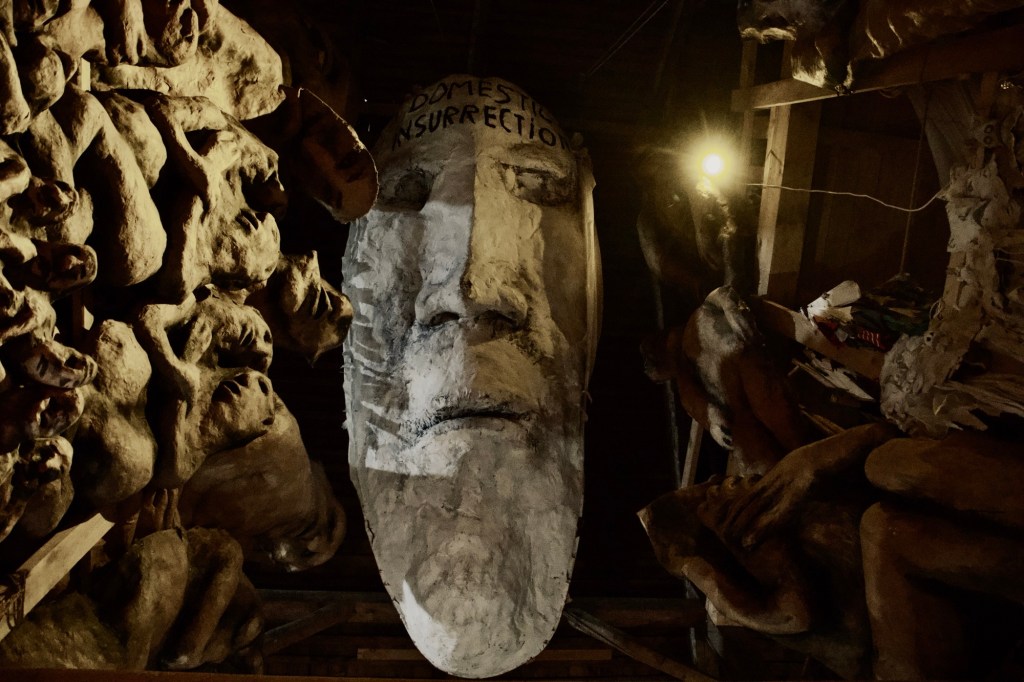


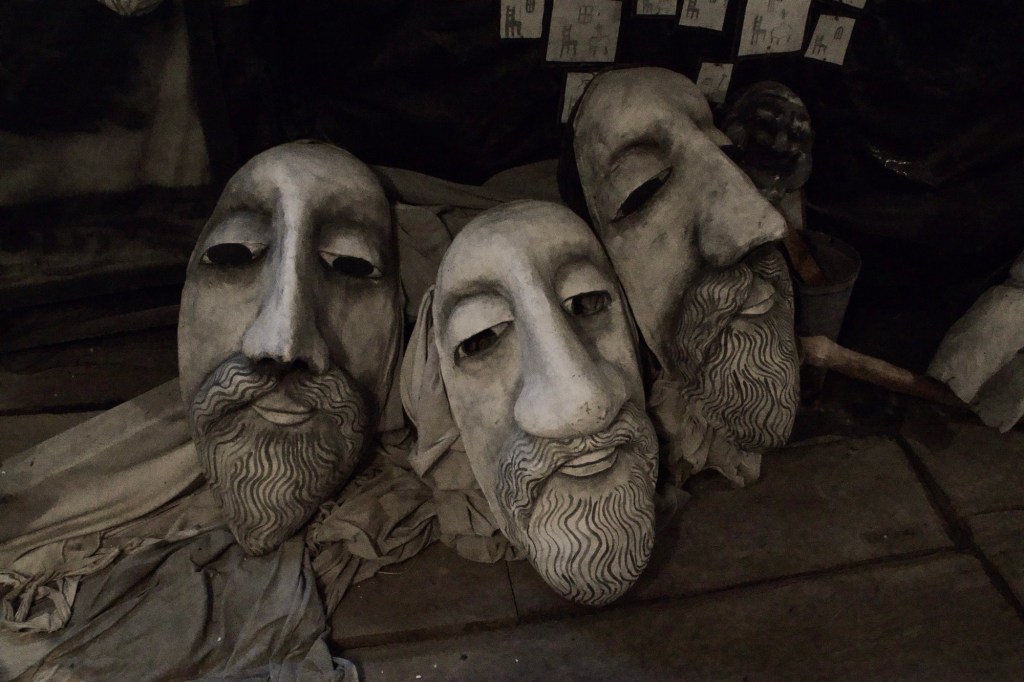
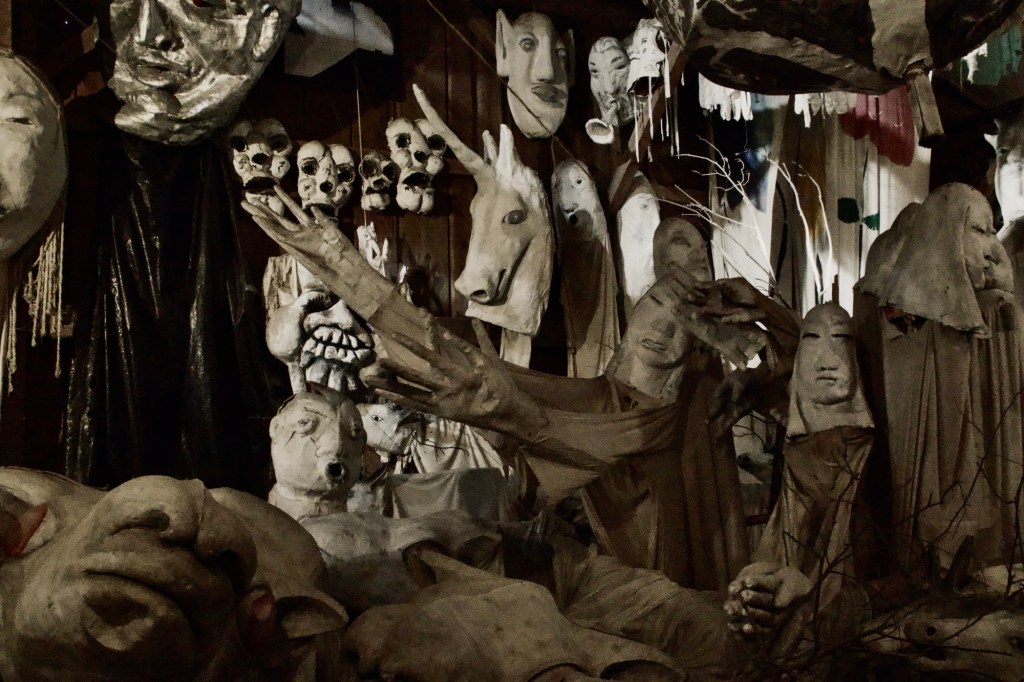
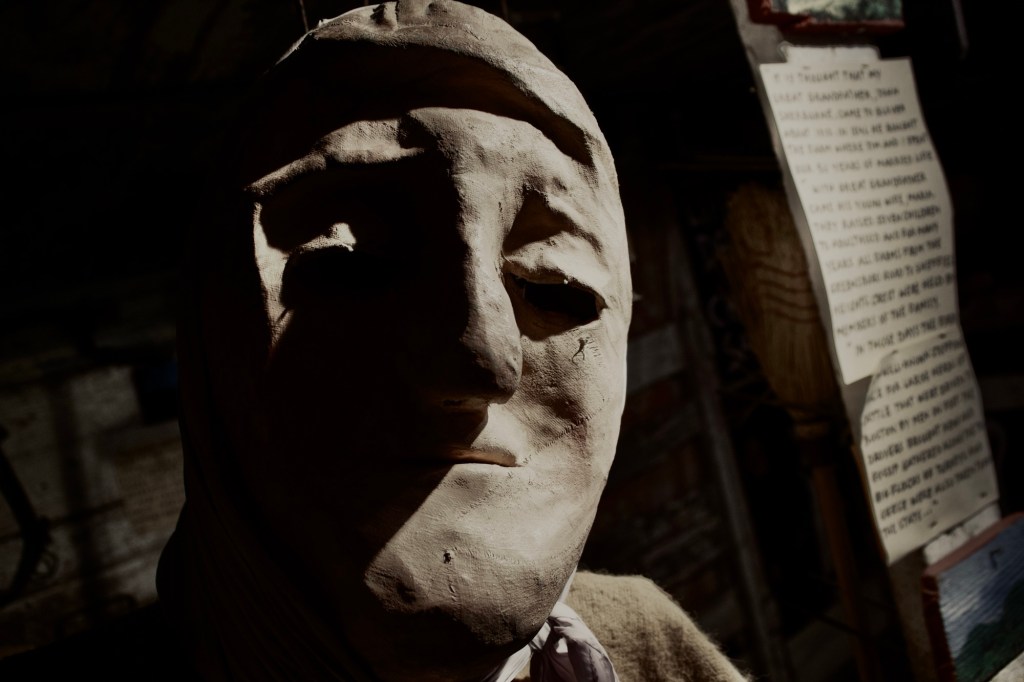
Summary: bits of Bernie Sanders’ country





Summary: a fascinating exploration of the relationship between the audience and the monstrous artist
As a reader, a viewer of movies, a “consumer” of art, Clare Dederer realized young a particular problem: some great artists whose work she loved, whose work helped her understand her own life, were utter arseholes… or as she, an American type of person, puts it, “Assholes!”

Picasso, Woody Allen, Polanski, Hemmingway – the authors of some of the finest art in the Western traditions had done dreadful things to other human beings. Polanski – survivor of the Holocaust, bereaved husband of a murdered wife, was also a child rapist. And yet the quality of their art was still so overwhelmingly seductive it was impossible to resist.
Do they make great art in spite of being arseholes or because of it?
Plainly you do not have to be a dreadful human being to be a great artist. That’s why God made Dolly Parton – so we don’t forget.
But Martha Gelhorn, Hemmingway’s third wife, herself a legendary war correspondent – way better than Hemingway at that profession – made an interesting observation: perhaps some of these arseholes might be working to produce great art in an effort to justify their otherwise mean and squalid existences. Even the arsehole can be self-aware.
In a world in which getting read is such a struggle, perhaps some of them have worked out that being a “bad boy” is a way of getting attention for their work. It is also of course possible that they are overindulged, and that is a bad thing to do to any man. I mean, most of us are still basically 14.
Robert Caro has observed that power does not corrupt, it reveals. Hence the power that comes with being a successful artist can truly reveal the nature of the personality.
So, it is also a percentages thing. There are a lot of arseholes about. Odds are some of them must be geniuses.
This book has been criticized for some lack of intellectual coherence – most of the female artists Dederer discusses are hardly in the same category of monstrousness as some of the men, and there is no evidence that Nabokov ever hurt a fly – though the monster he created is an outstanding literary exploration of the banality of the evil that some of her other subjects represent. It has also been criticized for limited research. But how much more research do you really have to do to demonstrate that Stephen Fry can be an awful eejit on frequent occasion? And it is still an entertaining introduction to some great art and artists: for example, I have never wanted to read Lolita, and now I feel don’t have to.
In the end, Dederer concludes, the problem of loving great art, great artists, is but a subset of the problem of loving other human beings: we are all flawed, some of us dreadfully. Yet we still undeservedly love and are loved.
And, even if I can still do without Manhattan, then, as Dederer rightly, I think, concludes, art such as Chinatown, Crimes and Misdemeanours, and Guernica all make our own flawed existences a little richer.
 aidanjmcquade