Summary: beasts of no nation



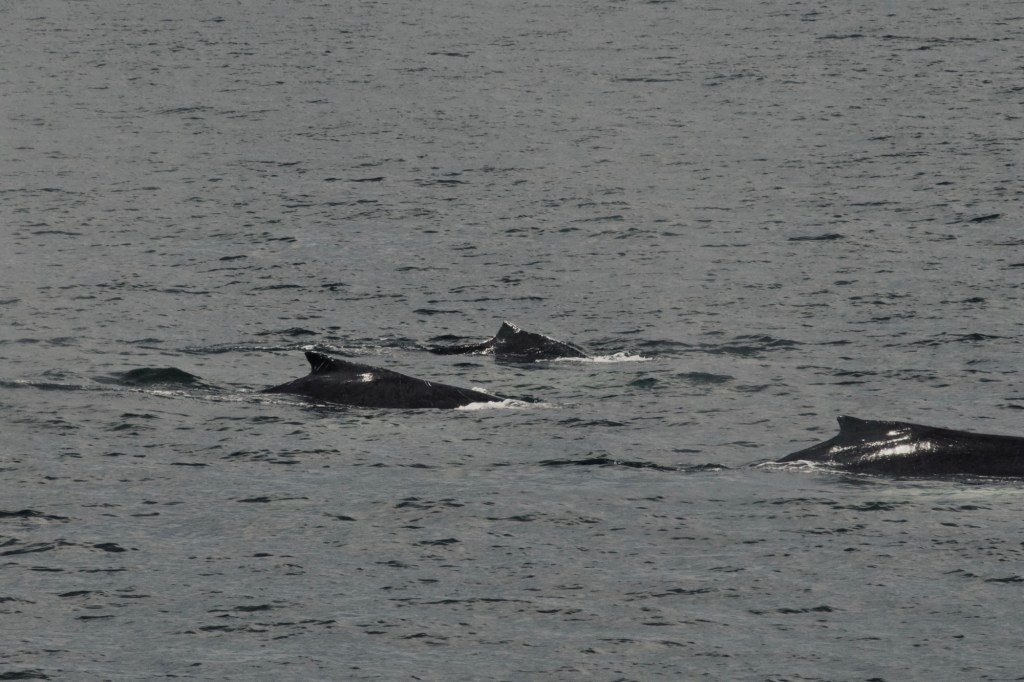
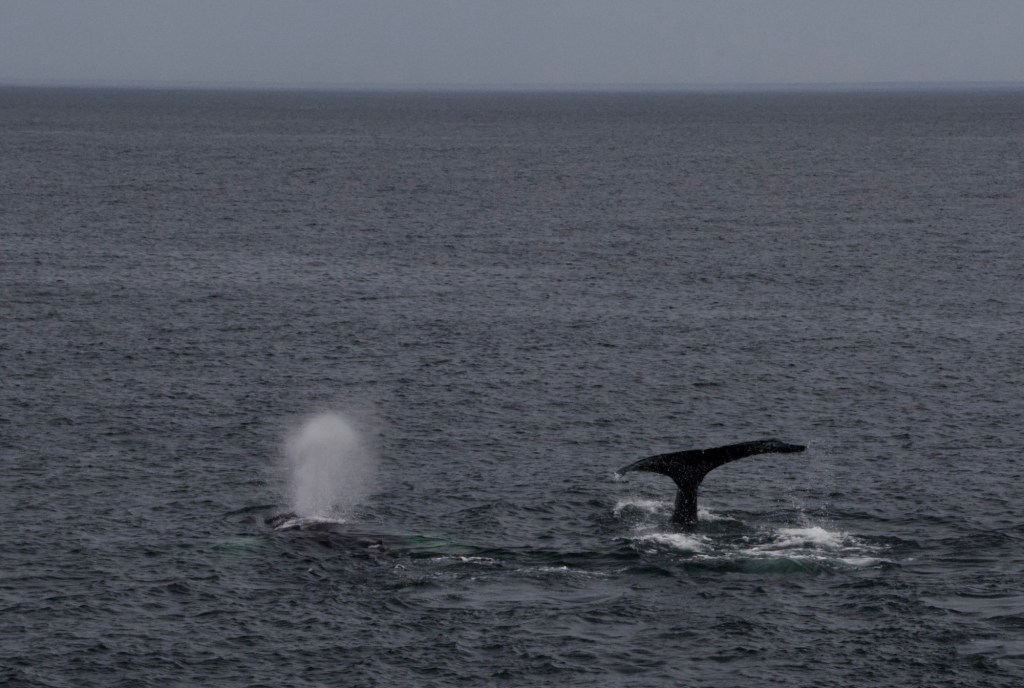
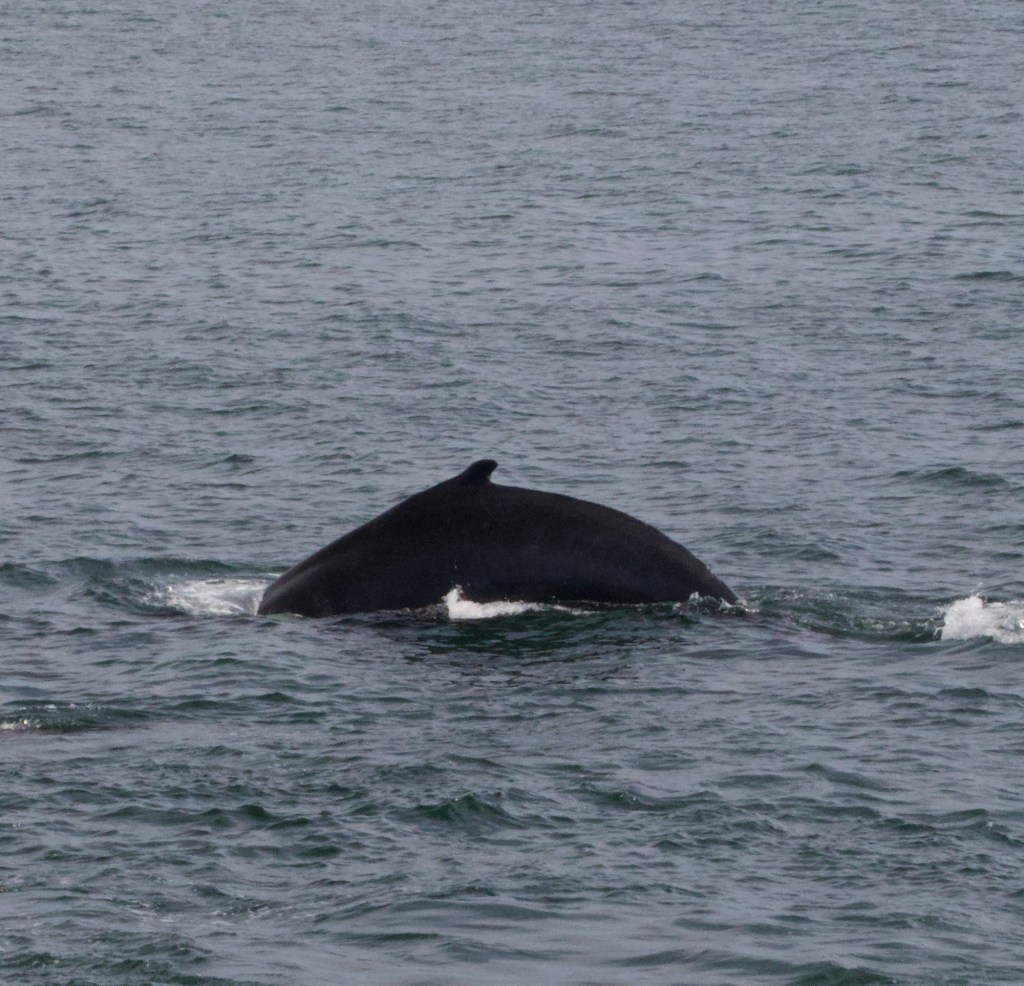


Summary: beasts of no nation
Summary: images from an extraordinary Vermont institution that is like no place else on earth
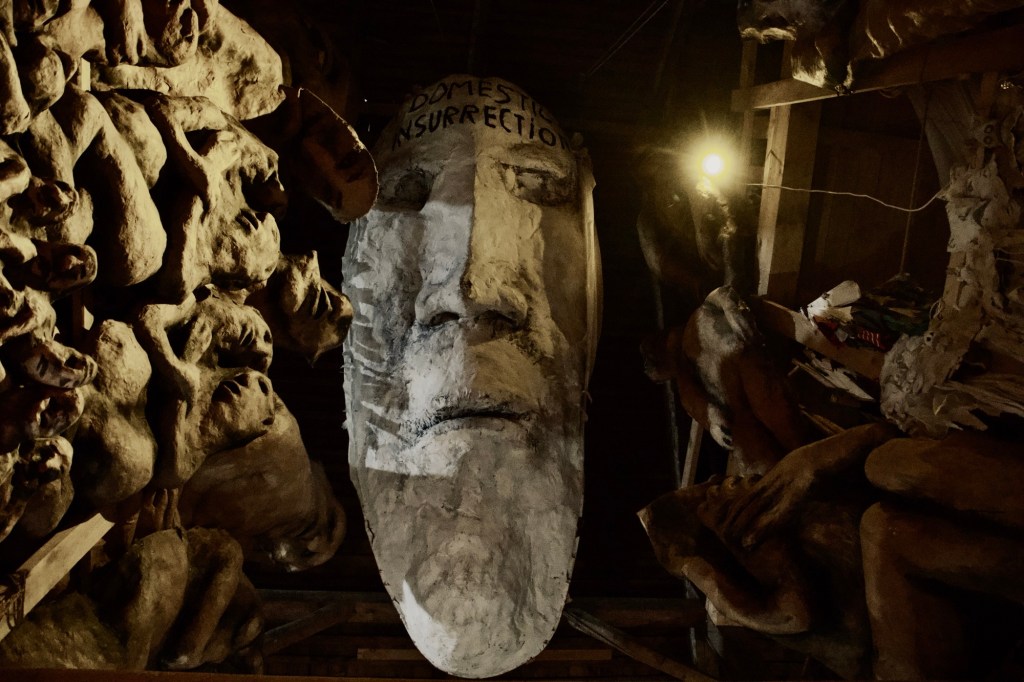


Summary: bits of Bernie Sanders’ country





Summary: a fascinating exploration of the relationship between the audience and the monstrous artist
As a reader, a viewer of movies, a “consumer” of art, Clare Dederer realized young a particular problem: some great artists whose work she loved, whose work helped her understand her own life, were utter arseholes… or as she, an American type of person, puts it, “Assholes!”

Picasso, Woody Allen, Polanski, Hemmingway – the authors of some of the finest art in the Western traditions had done dreadful things to other human beings. Polanski – survivor of the Holocaust, bereaved husband of a murdered wife, was also a child rapist. And yet the quality of their art was still so overwhelmingly seductive it was impossible to resist.
Do they make great art in spite of being arseholes or because of it?
Plainly you do not have to be a dreadful human being to be a great artist. That’s why God made Dolly Parton – so we don’t forget.
But Martha Gelhorn, Hemmingway’s third wife, herself a legendary war correspondent – way better than Hemingway at that profession – made an interesting observation: perhaps some of these arseholes might be working to produce great art in an effort to justify their otherwise mean and squalid existences. Even the arsehole can be self-aware.
In a world in which getting read is such a struggle, perhaps some of them have worked out that being a “bad boy” is a way of getting attention for their work. It is also of course possible that they are overindulged, and that is a bad thing to do to any man. I mean, most of us are still basically 14.
Robert Caro has observed that power does not corrupt, it reveals. Hence the power that comes with being a successful artist can truly reveal the nature of the personality.
So, it is also a percentages thing. There are a lot of arseholes about. Odds are some of them must be geniuses.
This book has been criticized for some lack of intellectual coherence – most of the female artists Dederer discusses are hardly in the same category of monstrousness as some of the men, and there is no evidence that Nabokov ever hurt a fly – though the monster he created is an outstanding literary exploration of the banality of the evil that some of her other subjects represent. It has also been criticized for limited research. But how much more research do you really have to do to demonstrate that Stephen Fry can be an awful eejit on frequent occasion? And it is still an entertaining introduction to some great art and artists: for example, I have never wanted to read Lolita, and now I feel don’t have to.
In the end, Dederer concludes, the problem of loving great art, great artists, is but a subset of the problem of loving other human beings: we are all flawed, some of us dreadfully. Yet we still undeservedly love and are loved.
And, even if I can still do without Manhattan, then, as Dederer rightly, I think, concludes, art such as Chinatown, Crimes and Misdemeanours, and Guernica all make our own flawed existences a little richer.
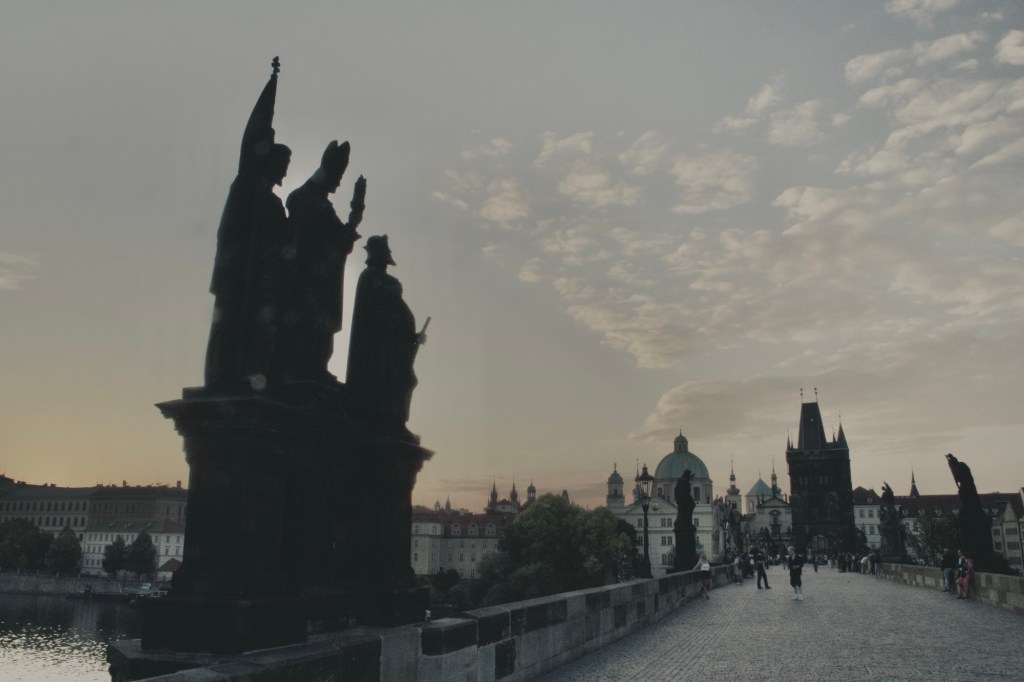
Summary: some say that a djinn is imprisoned for all eternity beneath the Charles Bridge, and troubled times might yet stir the Golem once more



Summary: a peaceful facade to a bloody conflict



In memorium – February 2024
When we were discussing the funeral arrangements the other night, our Brian said to me, “You need to say something … something from Seamus Heaney.”
So, I suppose for my Da there can only be one Heaney poem, and that is “Whatever you say, say nothing.”
It’s not just that, as our Geraldine and Eilis will tell you, his mantra through life was “tell them nothing”, a habit developed, no doubt, growing up in mid-Armagh during some of the vilest years of this statelet, “besieged within the siege,” as Heaney put it.
And, it’s not just because that poem is about the Troubles which overshadowed so many of our lives and shaped his politics.
It is more that, I think, my father’s philosophy was to let your deeds, your life, speak for itself.
We’ve gotten all sorts of very kind messages over the past couple of days from people my Da taught, telling us how much he affected their lives, how he gave them the confidence to become the people they are today.
That was his politics: it was practical non-violence. In the face of state and paramilitary atrocities his response was not to meet like with like, but to teach kids to work hard, to do their sums and become in themselves the new Ireland for which we all hope and strive.
Our father could barely speak English towards the end there. As the poem says, that voice of sanity really had grown hoarse. But it doesn’t matter now. Because we still have his life.
His deeds live on in the kids he taught and in others who teach children to read even in these bleakest of days.
And, no matter how little he would ever say about himself, or could say towards the end, those are things that truly do speak for themselves.
Summary: well, what have I been up to
About 12 months into lockdown, during the plague, I thought it would be a good idea to think about what if anything I had achieved during that period of enforced isolation. A year or so later I repeated the exercise and found it quite therapeutic. About 18 months later, I thought it was about time to have another reflect. So, what have I achieved?
Summary: trying to see “higher than the ditches that break up the canvas of the land”.
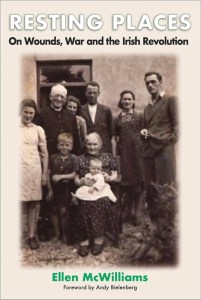
There is an echo of Martin Doyle’s book, Dirty Linen, in Ellen McWilliams’ Resting Places. Like Doyle, McWilliams also uses the literature of Ireland and Britain, experiences from her professional career, and the local history of her home place, in County Cork rather than in County Down, to reflect on wider issues of Irish history and Anglo-Irish relations.
But McWilliams doesn’t stop there. Resting Places is also a remarkably personal work. Her insights on the “big” themes are also prompted by the most domestic ones: by reflections on her relationships with family – both the Cork ones and the English lot – and from her experiences of her own body in her most private moments as a lover and as a mother.
This is apposite: Women and girls were, as McWilliams reminds us, the subject of institutionalised systems of abuse and enslavement, including the Magdalene Laundries and the Mother and Baby Homes, for much of the 20th Century in Ireland. In writing of her own body with such candour she reminds the reader of the strength and fragility of human flesh and how this can be so easily desecrated by bigotry masquerading as righteousness.
By pondering these very intimate aspects of life McWilliams also comes to some of her most important historical insights, ones that can be lost or overlooked in more traditional narrative or political histories. Because so many of the dynamics of war, and particularly of war-crimes, in revolutionary and civil wars have their sources in the domestic sphere: around hearths and kitchen tables, in whispered conversations the memories of ancient ills – of land expropriations, of scorched earth and famine – are kept alive.
And it is one atrocity that perhaps grew from such conversations, the Dunmanway massacre, that lurks at the heart of this book. The country was meant to be at Truce when these killings occurred. But there is no truce on bitter memories.
Between 26 and 28 April 1922, fourteen Protestant men and boys were killed or disappeared around Dunmanway and the Bandon Valley, in the very roads and fields around which McWilliams grew up. These were the families of neighbours killed by the families of neighbours, and indeed the comrades of her own family, which was deeply involved in the struggle for Irish independence.
The fate of two 16 year old boys, Robert Nagle and Alexander McKinley, are particularly difficult for McWilliams to contemplate. A new mother when writing this book, she writes of these boys with an agony of empathy, knowing what it is to carry a child for nine months, tend to him as he grows into his own little person, and to worry that something awful might happen to him. For these boys’ mothers, they awakened to that nightmare.
Perhaps there are still whispered conversations telling new generations why these murders “had to be done.” But McWilliams remembering how Greek tragedy reminds us that crimes that stay buried poison the water of the living, shows true patriotism in confronting this vile aspect of the Irish revolution.
McWilliams is an exquisite writer, warm and frequently very funny. At one point she muses if, in marrying an English scholar of the English civil war, she has actually ended up – at some psychic or metaphorical level – marrying Cromwell himself.
On the evidence of her book, I think the answer is a resounding “NO”. I can’t imagine Cromwell ever fretting over the recipe for soda bread, which her lovely-sounding husband does. Feeding other people is antipathetic to genocide. Cromwell would have hated him.
McWilliams book is an incredibly rich one, fizzing with more ideas that any review can do proper justice to. Read it!
Summary: city of light and shadows



 aidanjmcquade