
Heroism, resistance and its consequences: HHhH by Laurent Binet

HHhH is the story of Operation Anthropoid: the plot to assassinate the truly vile Reinhard Heydrich, the architect of the genocide of the Jews and Roma, by the Czechoslovak government in exile in collaboration with the in-country resistance.

In spite of being very familiar with the story from other books and movies, I found this one of the most exciting books that I have read in a long time: truly gripping, action packed and ultimately a story of devastating tragedy.

In homage to this Czechoslovakian epic the French author, Laurent Binet, has

Memorial to Czech parachutists, Including Gabcik and Kubis, killed in battle with SS

Memorial to Czech parachutists, Including Gabcik and Kubis, killed in battle with SS

adopted a very “Kunderian” style, weaving in and out of the story himself, as the Czech writer Milan Kundera often does, with his personal reflections upon it and concerns on how he can do the story and his heroes, Kubis and Gabcik (along with the hordes of other resistants and Czech civilians who made the operation possible and paid with their lives), justice.

Many readers may find this approach irritating and something of a turn-off (I didn’t, finding it engaging and interesting in and of itself), but the substance of the story is still compelling. Binet calls this the story of the single greatest act of resistance in the course of the Second World War. It is hard to argue with that and this book is a fine tribute.
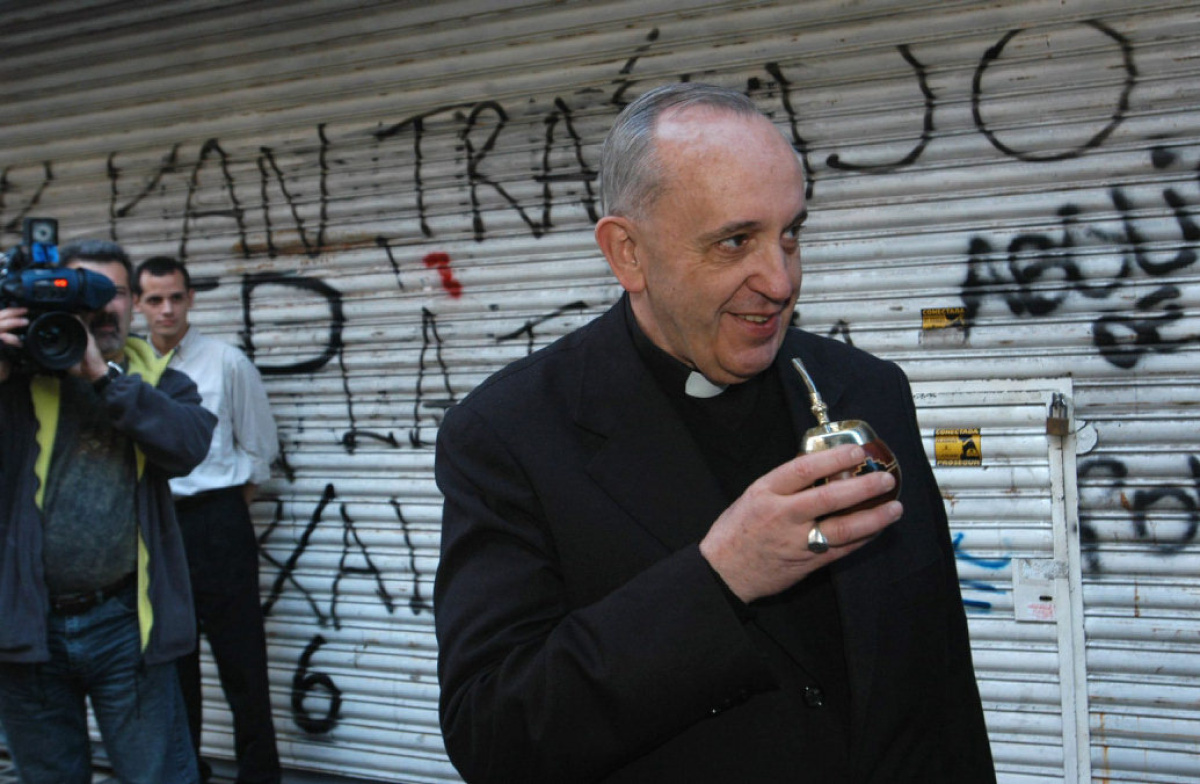
A Road to Damascus during a very Dirty War: my review of Paul Vallely’s Untying the Knots

Jorge BergoglioUntying the Knots is an exemplary work of biography and journalism. Shortly after Jorge Mario Bergoglio’s election as pope Paul Vallely, the author, spent some time travelling to Rome and Buenos Aires to meet friends and enemies of the new pope. The result of this research is this book.

Despite being relatively short it is teeming with detail, including sketches of Argentinian politics, the origins and conduct of the “Dirty War”, and the machinations of two papal elections, as well as the origins and career of the new pope, Francis.

The central issues of the book relate to Bergoglio’s personal conduct during the Dirty War and what sort of a pope he will be. In relation to the first question Vallely explores in some depth the key question relating to Bergoglio’s role in the kidnapping and torture of two Jesuit priests by the military junta when he was Provincial of that order.

The answer to that first question is fundamental in Vallely’s assessment of the second. In the end Vallely paints a convincing picture of a man who was politically conservative and personally authoritarian in his youth, making some dreadful mistakes as a result of which some innocent people were killed, imprisoned and tortured. But while remaining quite conservative Bergoglio appears to be someone who, as a result of deep shame at past misconduct and misjudgement, has grown into a generous and courageous figure.

It will be interesting to see the sort of pope that Bergoglio becomes as Francis but Vallely presents considerable evidence to suggest a hopeful prospect based on his radical conduct in the first months of his pontificate.