Summary: Putting the “la” into “Ooh la”
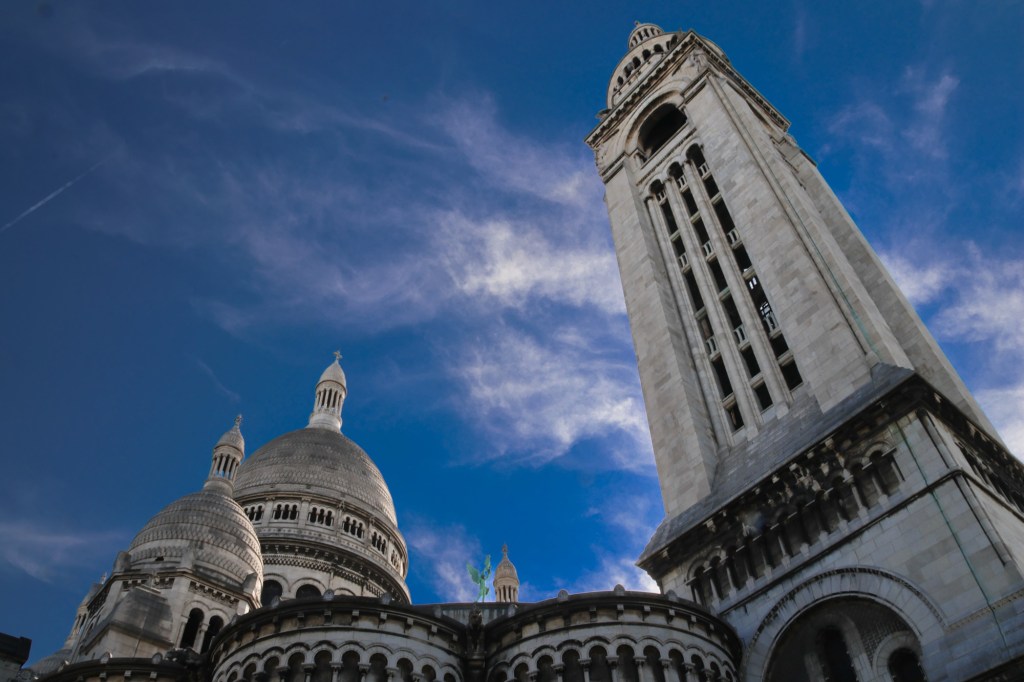




Bibliothèque nationale de France – Richelieu


Summary: Putting the “la” into “Ooh la”
Summary – fluky shots of humpbacks


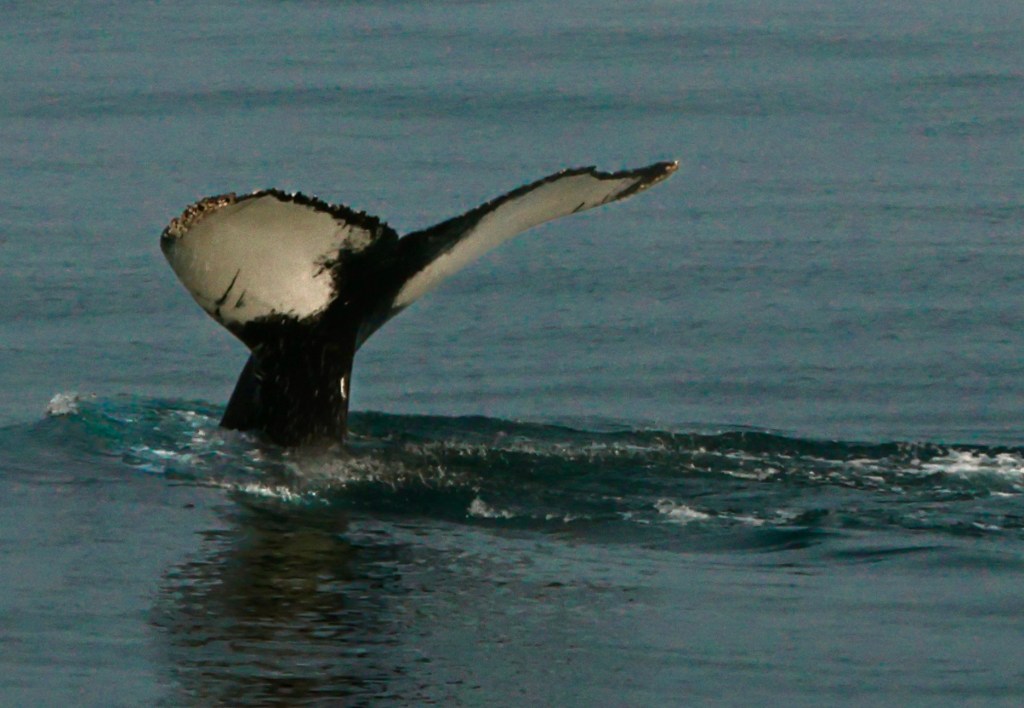


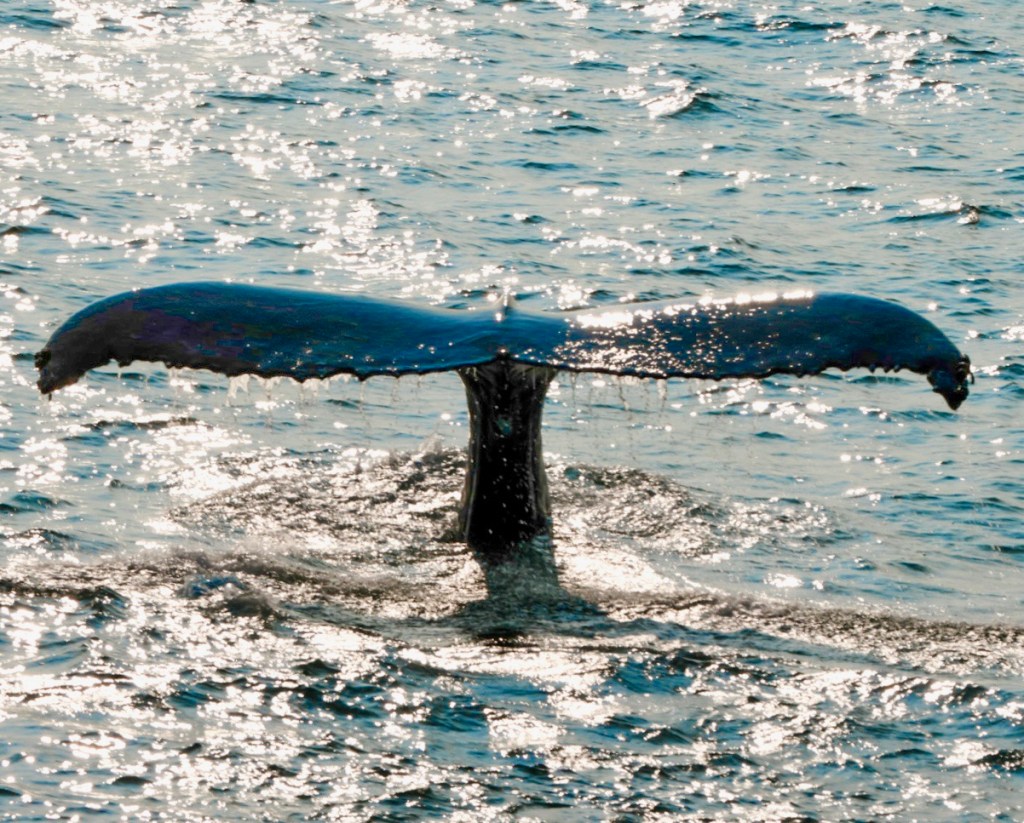



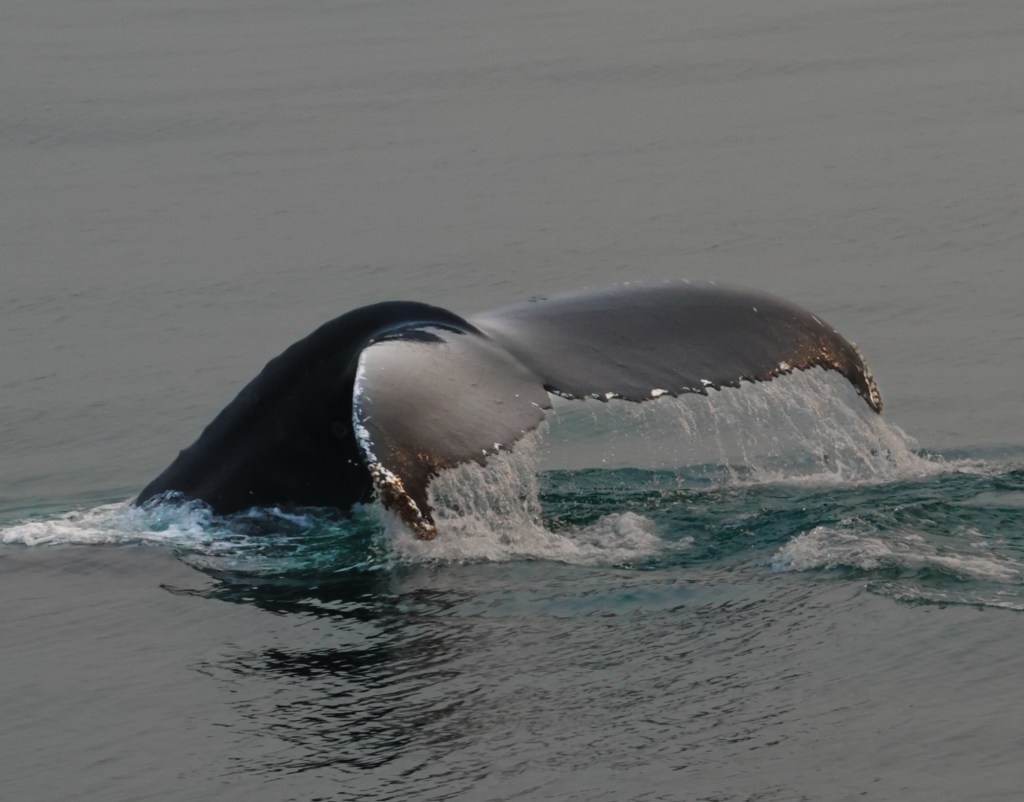
Summary: a many splendored thing

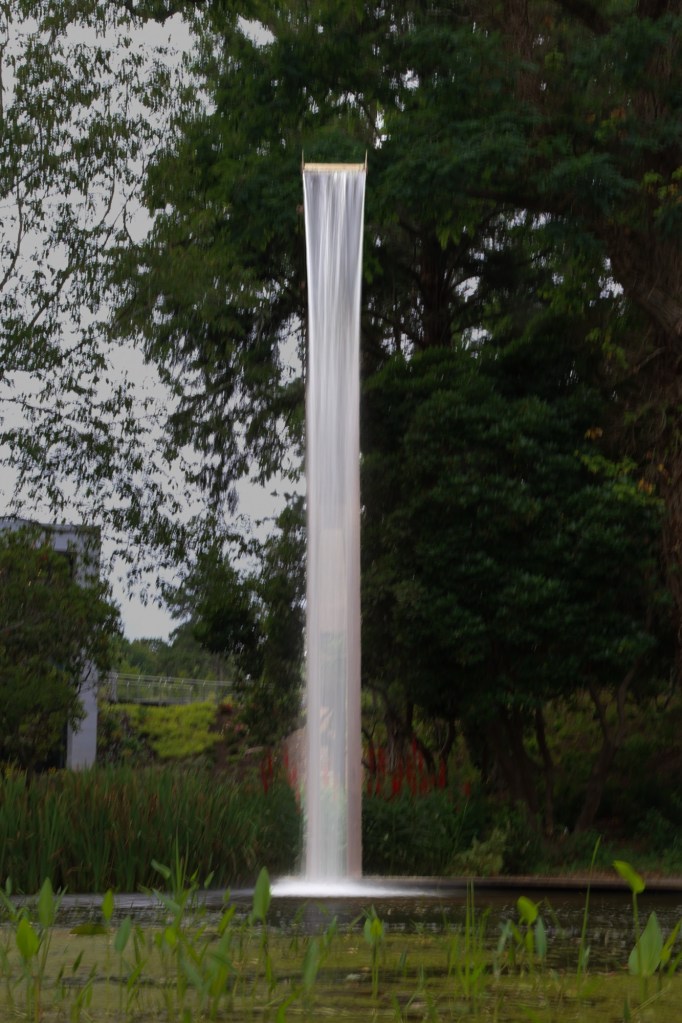







Summary: just because…






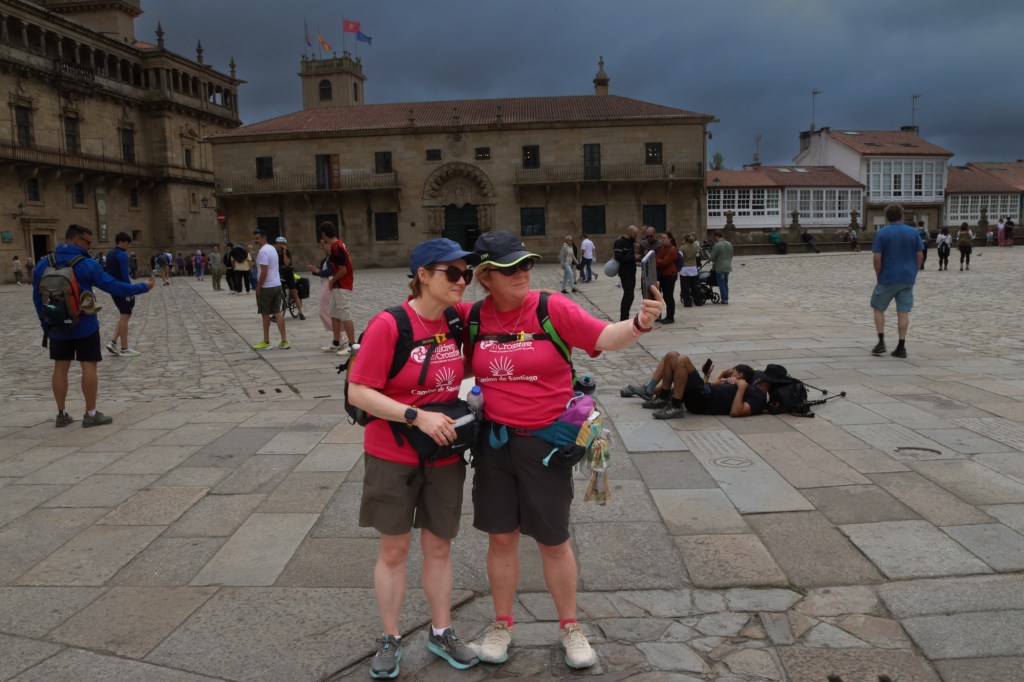
Summary: while hiking 100k you don’t necessarily take your best shots when gasping for water.
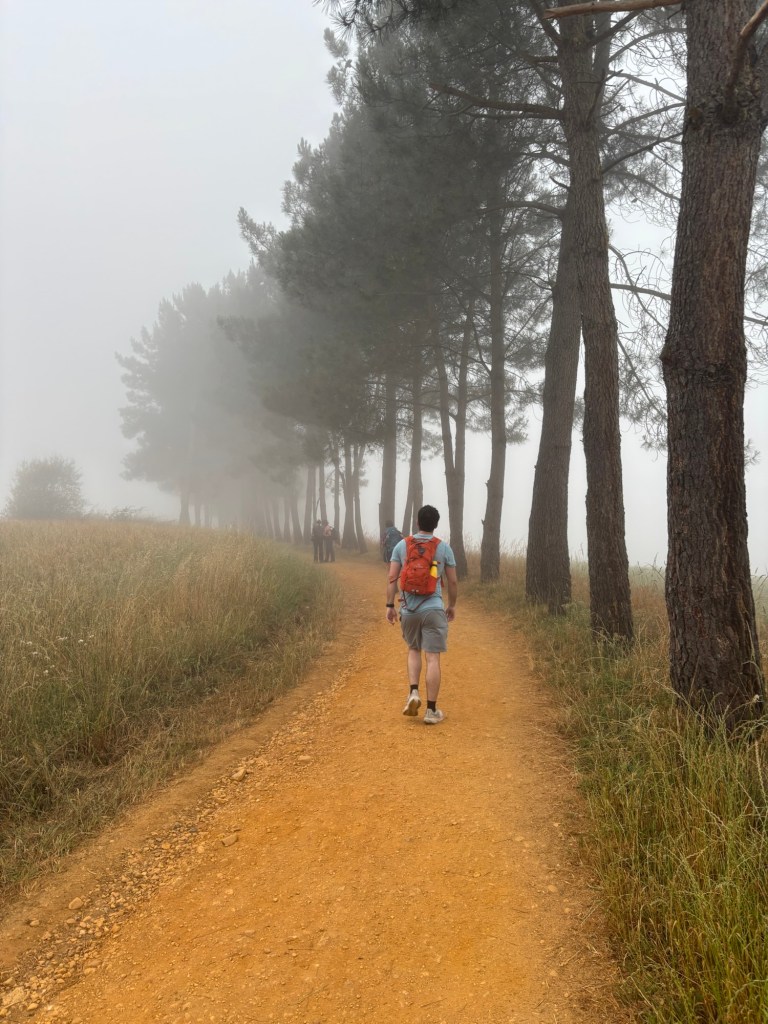

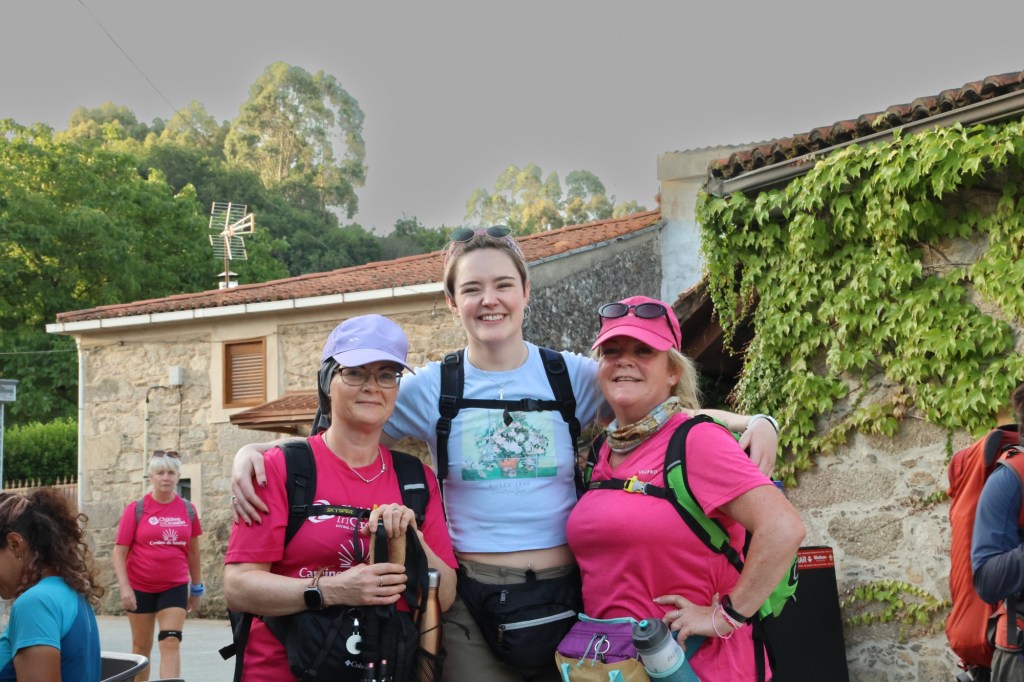


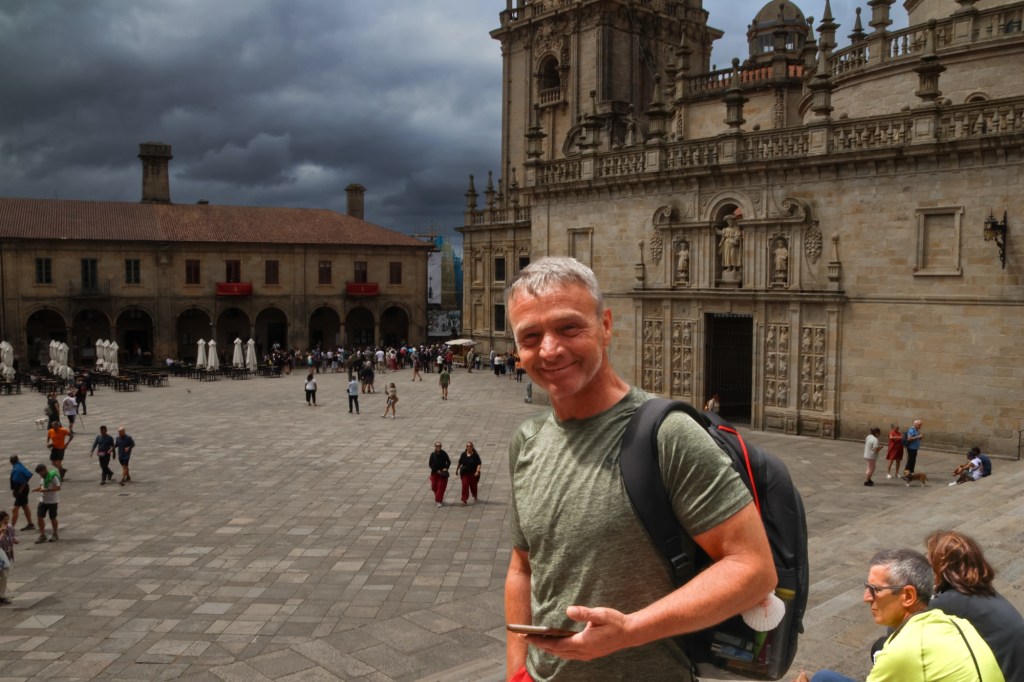


Summary: the sudden death of Mike McDonagh on 21 June 2025, brought an end to a life that was larger than most.
Mike was a legend in humanitarian response having worked across the globe as a country director for the Irish non-governmental organization Concern for more than 20 years. This included time in Laos, Cambodia, Somalia, Angola, Rwanda, Sierra Leone, Liberia, North Korea, Honduras, Albania and Zimbabwe.

Invariably you heard the stories of Mike before you met him. When I arrived in Angola in the middle of the 1990s people were still talking about Mike’s recent time in the country when he set up Concern’s response to the brutal civil war there.
Even for a humanitarian response to a war this was a testing operation. At one point Dublin headquarters began nagging Mike because his financial reports were late. He let them know that he was somewhat inconvenienced at the time – the office in Luanda had just been blown up and they had lost everything.
One long-term Angola development specialist, Dr Mary Daly, remembers how Mike broke the blockade on the besieged city of Malanje in the Angolan central highlands during this phase of the war. Against all advice, Mike brought in planes with supplies and had them fly into Malange. This forced other agencies to join in the effort.
There was always something of the buccaneer to Mike. He never doubted for a moment that he was the most charming rogue anyone had ever met. For most people he was probably correct. He was also a living example of the truth that you do not have to be a saint to be a hero.
Mark Evans, a water engineer, who survived the artillery bombardment of the city of Kuito during that time, remembers being surprised by the tenderness that Mike showed him when he was eventually evacuated from that massacre. As a witness to multiple war zones and the worst of humanity, Mike understood the toll that mitigation of such violence took on those who sought to respond. Marcus Oxley, a long-time Concern colleague of Mike’s described him as “a very relational person, with a genuine compassion and respect for people in need and a belief in “life with dignity” as the core of humanitarianism.”
I got to know Mike on his second stint in Angola, another bloody phase of that brutal civil war. It takes a certain amount of courage to endure that sort of environment once. It takes quite another quality of courage to return to it. But it was a quality of courage that Mike had in abundance, underpinned with an unshakeable good humour and a generosity of spirit for anyone who was genuinely trying to make the world a better place.
After Concern Mike joined the UN’s Office for the Coordination of Humanitarian Affairs (OCHA) in 2004, working in Darfur where he drew international attention to the attacks on humanitarian workers there, and the impact these had on aid for the civilian population.
As in Angola Mike developed a reputation. Jonathan Lingham, formerly of the UK’s Department for International Development, described him as “an absolute professional. His knowledge, advice, and wisdom was eagerly seized upon by new arrivals in Khartoum, especially by younger members of the NGO community, many of whom looked up to him as a sort of father figure. It was a difficult place to work. Mike was always available, kind, giving.”
It was in Sudan that Mike met Sarah, with whom, after years of bachelorhood, he started a family. No one was surprised when he turned out to be such a devoted husband, and doting father to Saoirse and Molly.
After Sudan, he worked with OCHA in Ethiopia, Iraq and Libya.
On news of his death the OCHA Chief of Staff in a message to all OCHA personnel said, “Mike was a force of nature, a humanitarian with grit, and was not one to ever let ‘the perfect be the enemy of the good’. He was famed for his no-nonsense approach, his one-word email replies, and for finding “creative” ways to get things done. He was a legend with many of us re-telling any one of his numerous escapades to inventively overcome challenges to get assistance to people in need.”
If anyone had ever said to Mike that he was a representative of what EM Forster called the “aristocracy of the sensitive, the considerate and the plucky… [who] are to be found in all nations and classes and throughout the ages” and who represent human decency in the face of the worst inhumanities, he would probably have said “Ach, away with ye!”
But he was. As Paul Heslop, the veteran demining engineer put it, “Even those of us who knew Mike sometimes have difficulty grasping what a giant he was in the humanitarian sector.”
In recent years, Mike was furiously vocal about Israel’s genocide in Gaza and Western leaders’ complicity with Netanyahu’s atrocities. How could he have been otherwise? Mike had seen so much violence he knew war crimes when he saw them. His very life was an indictment of those who assert that Israel has every right to defend apartheid and supply them with the diplomatic cover and weapons to do that and worse.
The world is a sadder, poorer, less just place without Mike. But he died holding Sarah’s hand. That is as great a way to go as Mike could ever have hoped for on any of those battlefields where he spent his life trying to staunch the bleeding of the innocent.
Summary: the colours of the rainbow, so pretty in the sky, are also on the faces of the places you go by…





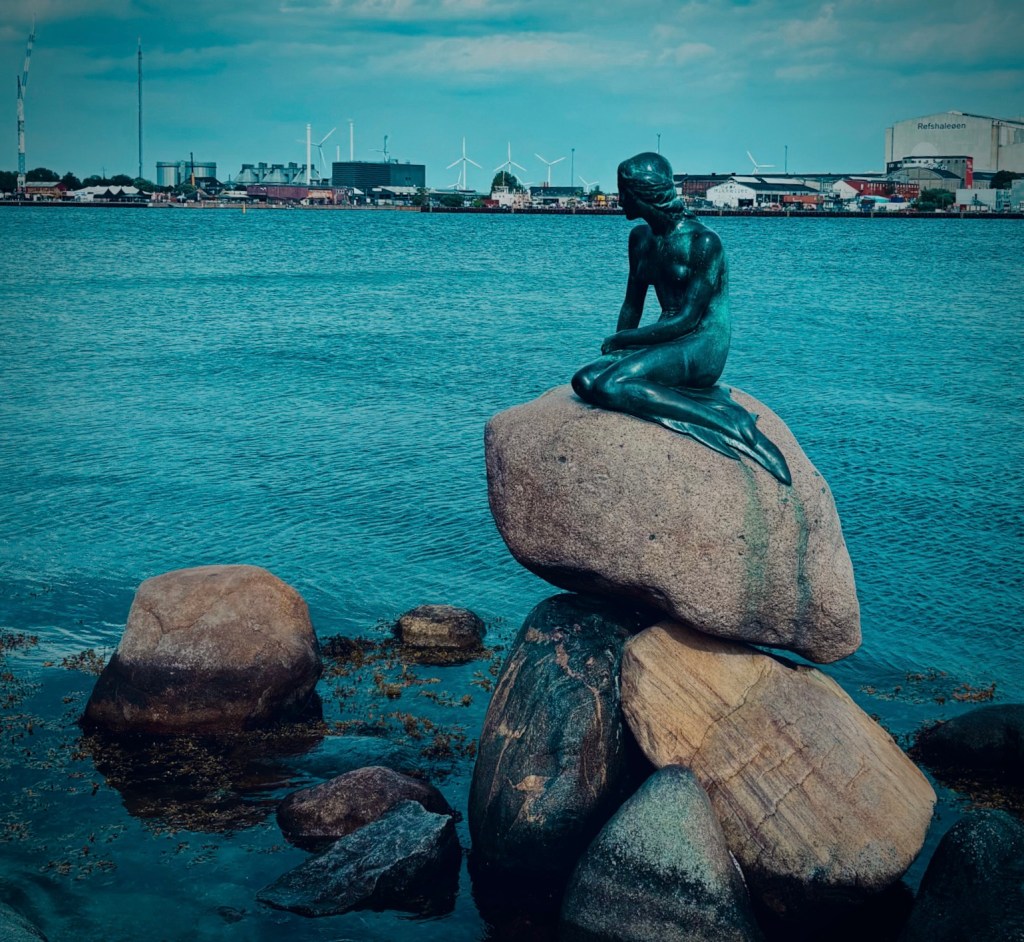
Summary: “Ever try. Ever fail. No matter. Try again. Fail again. Fail better.”
As a means to educate, stories are as old as humanity. And the best ones endure. That is why, for example, the wisdom of the parables of Jesus still resonates.
Philip Gourevitch, in his book “A Cold” Case, explored the importance of stories in mentorships, as a way in which leaders share their experience with the next generation of “apprentices”. That is a tradition that Martin Farrell enters with his book, “Good Leaders in Turbulent Times: How to Navigate Wild Waters at Work”.
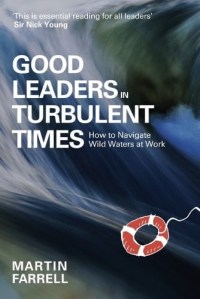
As well as having led organisations himself, Farrell has a long background mentoring leaders: he was a particular help to me during one nightmarish phase of my career. So, he has deep understanding that even the best leaders often have to endure reversals and “the slings and arrows” of those who have never experienced the grinding responsibilities of choice-making that leadership entails.
In other words, he has heard, if not all the stories, a great many of them. He recounts these here in the intertwined stories of a group of fictional not-for-profit CEOs at various stages of their careers each enduring their own professional crises. As resources for learning they are a reminder to other leaders going through their own trials that they are not alone. Others have passed this way and endured… or at least survived. Here are some of the ways they managed to cope.
Farrell understands that beneath the latest fads and fashions, which come and go and come back again, leadership is a human process and it takes a human toll. That is a truth that is often underappreciated by new leaders when they take up their roles. More unforgivably it is too often forgotten by board members who blunder in their organizational stewardship as a result, often in ways that they are never held accountable for.
Because of this, Farrell’s book is a vital one and should be required reading for CEOs. It should also be required reading for board members, particularly those who have never been CEOs. It is book that the for-profit as well as the not-for-profit sectors can usefully learn from.
Good Leaders in Turbulent Times is an accessible, humane book, imaginatively designed and wonderfully illustrated by Steve Appleby. It is an important contribution to leadership literature.




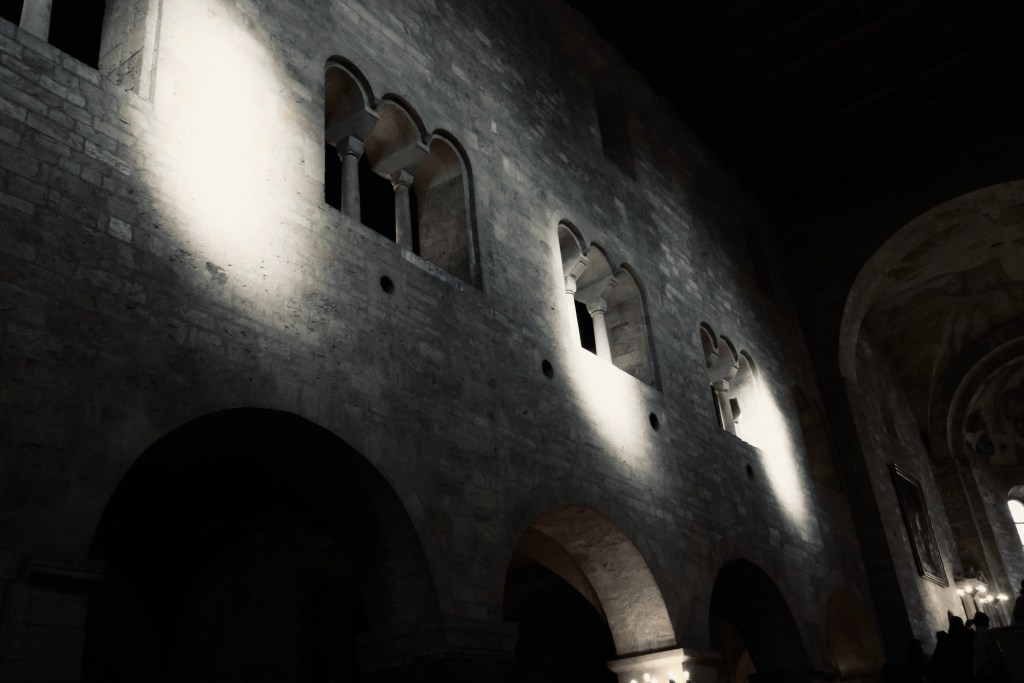
Summary: Christmas in the Kafka’s city




 aidanjmcquade