I am currently working with the crowdsourcing publisher Unbound to publish my first novel, The Undiscovered Country, a book about the hunt for the murderer of a young boy in the West of Ireland, during the War of Independence in 1920. Below is an excerpt. If you like it please consider supporting. Amongst other rewards the names of all supporters will be included in the book.
***
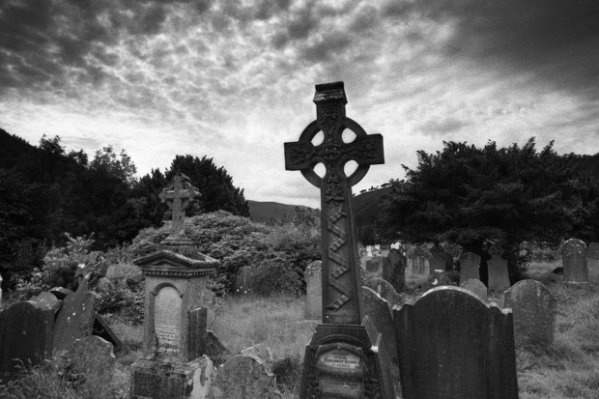 It was a cold clear morning the next day when the village gathered to bury Liam Finnegan.
The church was full and spilling out into the surrounding graveyard. Eamon and I had got there a quarter of an hour before the start of the requiem Mass, but had still only managed to get standing room at the back of the church. Peter had gotten there earlier and had hence managed to get himself a seat in a pew in the middle of the church.
“Okay”, whispered Eamon to me, “so who do you know here?
“Dr Hennessy, fourth row back”. She was standing briefly in order to let some people past her into the pew in which she was seated.
“In the short time I have known you Mick I have come to admire and respect your capacity for prioritisation. Mind you, she does look good in black, it must be said. Grand arse.”
“Jesus Eamon, we’re at a funeral”.
“A man is most alive when closest to death. You’ll find that out in time Mick. So who else do you know”.
“Commandant O’Riordain”.
O’Riordain was in the aisle halfway up the church, trying to create more space amongst the mourners and directing newcomers into the pews.
“There’s a man born to lead. Can’t even help himself any more.”
“And there’s Dick Bruton.” Bruton was fat man with a purple nose in a plaid suit. He was bald, which Eamon had noted was a blessing for him seeing as he used to be ginger. I had felt a bit guilty at laughing at that as he had always been civil to me on the odd occasion I dropped into his shop.
“And there, as you should know,” said Eamon, “is our local neighbourhood cattle baron, Francie Quinn”. Eamon nodded in the direction of a dark haired man in a dark suit just entering the church with a pleasant looking, chubby woman. He ushered her onto a pew and then found himself standing space against the wall close to her. Quinn I did know slightly. He was one of the local worthies that Peter had convinced to join him in constituting the parish court. So I had seen him from a couple of times when the court was in session but I had barely ever spoken to him.
Our whispered conversation was halted as the appearance of Paddy Toner, walking backwards up the aisle so he could keep an eye on the pall-bearers and make sure nothing untoward happened to the coffin, announced the arrival of the funeral party.
Normally, in my experience, the deceased would have been carried to the church the night before the burial and lain in vigil before the altar. But the family couldn’t bear the thought of leaving Liam alone there. So his body had stayed with them at home until this morning when they would say their final goodbyes.
Liam’s father and three uncles followed Toner up the church carrying the tiny coffin. In their wake came the rest of the family. Liam’s mother and sister seemed barely able to stand, leaning against each other in an A-frame as they walked up the aisle. Tears were pouring down their faces, though they were considerably quieter now than they had been when we had broken the news to them about the death of their son. Immediately behind them another woman, I presumed an aunt of Liam’s though I suppose she might have been a neighbour, carried the baby, who was being remarkably quiet, helped I presumed by a bottle of milk stuck in his gob.
When they got to the front of the church Toner ushered the family into the front rows that had been reserved for them, and Fr Martin Crosby came onto the alter with four altar boys in white soutanes.
Crosby was suitably sombre in his conduct of the Mass and proceeded in this measured way until he came to his sermon which he opened with, what I felt were pretty boilerplate remarks about death and young lives cut short that he would have learned in his “how to conduct a funeral” classes in the seminary. And then his remarks changed and became rather more personal:
“I knew Liam a little from the times he served Mass for me. He was a great young man. A credit to his family. I know he wanted to be a doctor. He was a great reader and used to tell me about what he was reading. The last morning I saw him he was telling me about the adventures of David Balfour after Kidnapped. He never lived to find out how it ended with Catriona. He never lived to find his own Catriona or have his own adventures in his own or other lands.
“The world is a lesser place without Liam, without the person he was and without the person he would have become. That truth will never be felt more than by his own family.”
His mother let out the most mournful yelp I’ve ever heard at that, and her muffled keening started again.
Crosby continued with the standard funereal hopes that one day all pain would be washed away when they were reunited in heaven. He was trying his best but it was plain that his sermon was doing little to comfort Mrs Finnegan, whose keening died down but whose shoulders continued to shudder in grief until the end of Mass.
***
It was a relief to get back out into the fresh air. The church had grown stultifying with so many people in it and I was relieved that, being at the back of the church, we were among the first out after the family and the pall bearers who carried Liam the final few yards to a hole that had been dug for him in the graveyard that surrounded the church.
O’Riordain had organised a guard of honour of Liam’s school friends to walk with the coffin to the gravesite, where Crosby concluded the service with prayers over the coffin and a decade of the rosary as they lowered Liam into the hole.
The normal routine of friends and neighbours lining up to pay their respects to the family was curtailed as Liam’s father led his still weeping wife from the yard. Packy O’Reilly had brought a pony and trap along. As he ushered the sadly depleted Finnegan family on board for the mile or so back to the farm, the grave diggers began filling in the hole. The earth and stones they shovelled echoed off the coffin.
“He’s not a bad oul skin, Packy,” said Eamon, watching as the trap set off out the road as the mass of mourners began to drift out of the grave yard. We lent against the church yard wall and lit cigarettes as we watched folk disperse. Dr Hennessy nodded to us as she passed and began threading her way through the crowd the short distance towards her surgery.
We contemplated the graveyard as we smoked, Eamon nodding greetings to friends and neighbours as they passed. Peter joined us after a few minutes.
“Cigarette, Peter?” I asked.
“Thanks Mick,’ he said and drew one from the packet I was offering him. Eamon struck a match to light him up.
“Sad funeral,” I said.
“Indeed it was,” said Peter. “No parent should every have to bury their child, let alone one so young.”
I could see how this funeral must be dragging up memories of Peter’s own son, obliterated by a shell in some rat-infested trench in France.
“Have you spoken to his parents?” asked Eamon.
“I have,” said Peter, “but its not like there is much comfort I could give them. I told them I know how they feel. I didn’t tell them the pain never goes away or that it can destroy everything you have ever valued in your entire life.”
I remembered how Peter’s wife had died shortly after they received news of their son and I had no idea how to respond. I was pretty sure that Eamon was at a loss too. But Peter wasn’t looking for a response or for sympathy. He was just telling us the truth, as he knew it, of how an untimely and violent death could devastate a family and the lives of all those left behind. Knowing Peter, he was also probably still wracking his brain for some fragment of his own experience that could help alleviate the grief and pain of the Finnegans.
We stood in silence for a while smoking, watching the crowd. Francie Quinn hailed Peter as he left the church gate with his wife. Peter waved back. “He can be a grumpy fucker, can Francie, but he’s got a decent soul,” Peter muttered to us as we watched him walking up the street with his wife’s hand hooked into his elbow. Then we heard the scrunching of hob nailed boots behind us and Jack O’Riordain joined us, having come out of the lower gate of the church yard.
“How’s it going, Peter?” he asked, hale fellow, well met, even in the grim circumstances we found ourselves.
“Not so bad Jack. And yourself?”
“Can’t complain. Sure no one would listen to me. Are these two behaving themselves?” he asked, referring to me and Eamon.
I expected Peter to make some casual joke, about not being able to get good help these days. But he didn’t. He took a final drag on his cigarette, then dropped it on the ground and ground it out with his foot and looked Jack straight in the eye. “They are exemplary,” he said.
“Good to hear it,” said Jack. “I wouldn’t want the good name of the battalion damaged by less than their best.”
The children who had attended the funeral were dispersing now too. “That was a nice idea, the guard of honour,” said Peter.
“I wanted to make sure the children were involved in the funeral, and I thought it was a way we could show Liam’s family the regard the whole school held him in.”
“Aye. It was a nice gesture,” said Peter. “Did you give the kids the day off school as well?”
“I did,” said Jack. “You can imagine that they are all still very upset. But kids get over such things fast, I’ve found.”
“You’ve seen much of this sort of thing, Commandant,” I asked. “The deaths of children, I mean.”
“Regrettably yes,” he said. “Particularly when I was teaching in Dublin. The carnage from tuberculosis was dreadful. The conditions in the tenements there are a breeding ground for disease, and the malnourishment of the children makes them easy prey for it.”
“So, you’re at a loose end yourself then today as well?” Peter asked.
“If only that were so. I have a host of battalion matters to be dealing with, as well as some school administration I’ve been falling behind on.”
Eamon had been quiet up to that point, but I knew he couldn’t help himself. “Some more unarmed peelers to be shot, Jack?” he asked.
I saw anger darken O’Riordain’s face and the muscles in his jaw clench.
“For fuck sake, Eamon,” said Peter.
“No,” said Jack, his voice low and controlled, irrespective of how angry he was. “It’s sticking in his gut, let him get it out. I imagine that Eamon’s military record is unblemished and earns him the right to judge. Isn’t that the case, Eamon?”
Eamon said nothing.
“That’s right,” said O’Riordain, “your hands are not clean either. I remember you telling me about that, didn’t you Eamon? About young Germans crying for their mothers before you and your British pals put bullets in them and left them in mud.”
“I wasn’t the officer giving orders,” said Eamon.
“No,” said Jack, “I was. But you can take a little credit for what we did at the barracks.”
“What do you mean?” asked Eamon. “I refused to participate.”
“You did,” said Jack, “and loudly too. I never knew you had studied the Geneva Conventions so assiduously. That was the point at which I knew you were no use to the battalion any more as a fighting man. But that is not what I meant.”
“What then?”
“The tales you have told me of the Crown Forces have left me with little doubt as to their ruthless efficiency. It confirmed what we learned when they shelled the civilian population of Dublin and left the second city of their empire in flames, let alone the savagery they showed at Amritsar. Now look at our lot. Weekend soldiers. In the past year these fellows have had less training than the greenest Tommy. And it is with them that I am meant to confront an empire. Those police in that barracks were traitors to their country. And their treason cost the lives of James Flynn, John McKenna and Paddy McCaul, remember? It was harsh what I did. But it was necessary. It was necessary to get the rest of the boys used to killing. It was necessary because I thought that it might save their lives in the months to come when next in the presence of the enemy. So when they are in action again they are inoculated to the revulsion of killing, and to not hesitate at the moment of truth. Remember Eamon?”
He paused and looked at Eamon with something close to contempt.
“I didn’t enjoy what I did that night,” said O’Riordain. “I will have to live with the sound of their pleading every day until I die. But I would do it again, for the good of the men under my command and for the chance of a country of our own.”
We were all quiet. “Anything else to say, Volunteer Gleason?”
“No, Commandant,” said Eamon.
“Okay so,” said O’Riordain. “I’ll be on my way then. And you’ve work to do to, so don’t let Mr McLaughlin down the way you did me.” He turned to Peter. “Take care of yourself, Peter,” he said and shook his hand. Then to us, “Volunteers,” and he turned up the street.
“Commandant,” I said by way of farewell. Eamon said nothing.
We watched O’Riordian go. Then Peter turned to Eamon, “For fuck sake Eamon,” he said. “Do you always have to antagonise him.” Peter was more exasperated than angry, but only just.
Eamon was uncharacteristically quiet, and looked a bit shame-faced. “We have a bit of history, I suppose,” said Eamon, eventually.
“Well it’s not fucking helpful at the moment, so can you get it under control?”
“I can,” said Eamon.
“Look boys,” said Peter, “I meant it when I said you’ve been exemplary in your duties to the Parish Court. So don’t make a liar of me at this stage in my life.”
“We won’t Peter. Sorry if I’ve embarrassed you,” said Eamon.
“That’s enough of that oul shite,” said Peter. “Now I’ve given ye an enquiry to conduct, which, I shouldn’t need need to remind you, is of the most sensitive nature imaginable, so tread lightly from here on will ye?”
“We will,” said Eamon.
“Good. Now I need to be getting back to the office, so can I leave ye to be getting on with it without fucking something up?”
“You can,” said Eamon.
“Good. I’ll leave ye to it, so, and I’ll see ye later.”
“Right Peter,” said Eamon.
“Take care,” I said.
He said nothing and turned and walked up the street towards his office. We watched him as he went, his shoulders hunched in the way of the worried, carrying the burdens of the world.
There were a a few remaining knots of people still chatting or smoking in the graveyard or on the street, but most had gone back to the normal routine of their lives. Myself and Eamon remained smoking by the church yard wall until everyone had left, Eamon brooding over the scene..
“That was kind of Peter, speaking up for us with O’Riordain,” I said.
“’Twas,” said Eamon. “He’s like that, is Peter. Always championing the underdog. It’s why he loses so much money on the horses.”
In spite of the lambasting he had just taken I could sense that Eamon’s spirit was returning. “Did you hear that fucker, O’Riordain?” he asked, “’Can’t complain, sure no one would listen.’ Anyone not paying attention to O’Riordain’s little gripes would run a serious risk of getting plugged in the nut.”
I grunted a laugh. I might have laughed more but the thought that O’Riordain had been contemplating, however vaguely, that very thing, putting a bullet at the base of my skull, rendered the image disturbingly real and took some of the humour out of it.
***
If you would like to support the publication of my novel, please visit my page at Unbound
https://unbound.com/books/the-undiscovered-country/

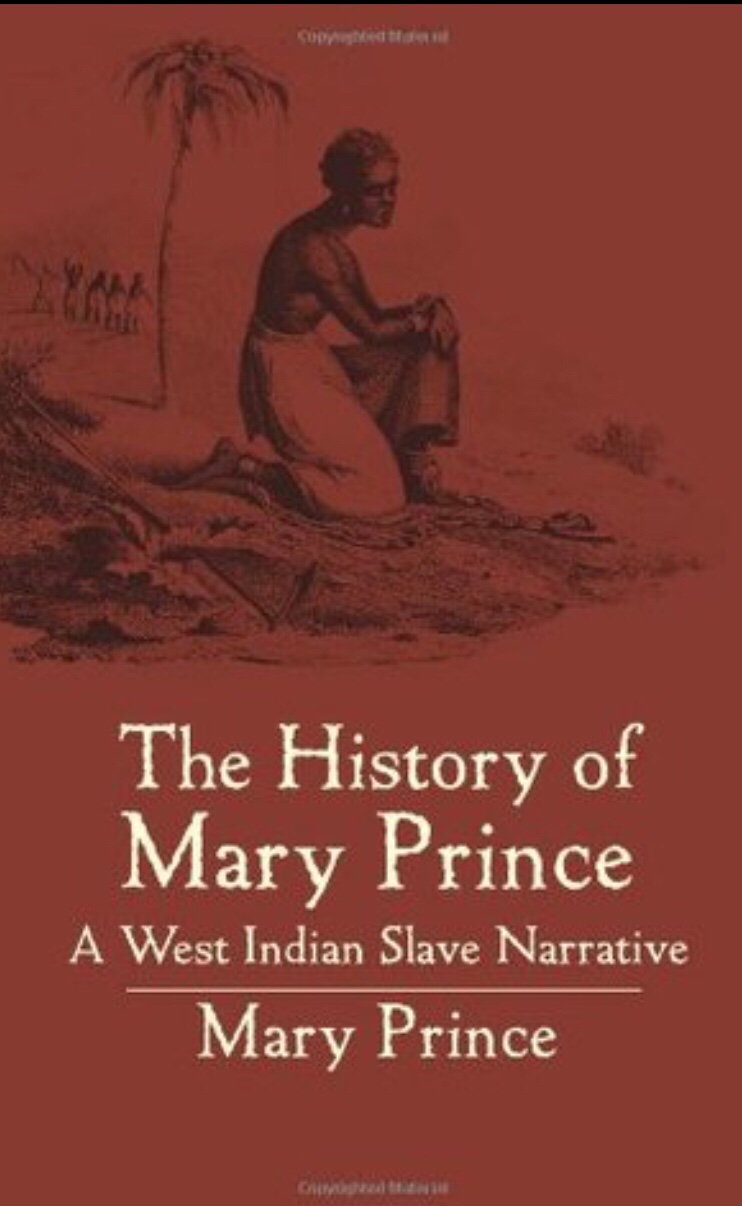 That is a tradition that has continued across the centuries and across what is now the Commonwealth. From Caribbean leaders such as Mary Prince, to African leaders like Equiano and Cugano, to Asian leaders such as Dr Ambedkar, to contemporary organisations like Piler in Pakistan, OKUP in Bangladesh, Centre for Education and Communication in India, and the Global Alliance against Trafficking in Women. All these have asserted and continue to assert the principles of human rights in opposition to the way the world dehumanises and enslaves others.
 Summary: the title is the best bit.
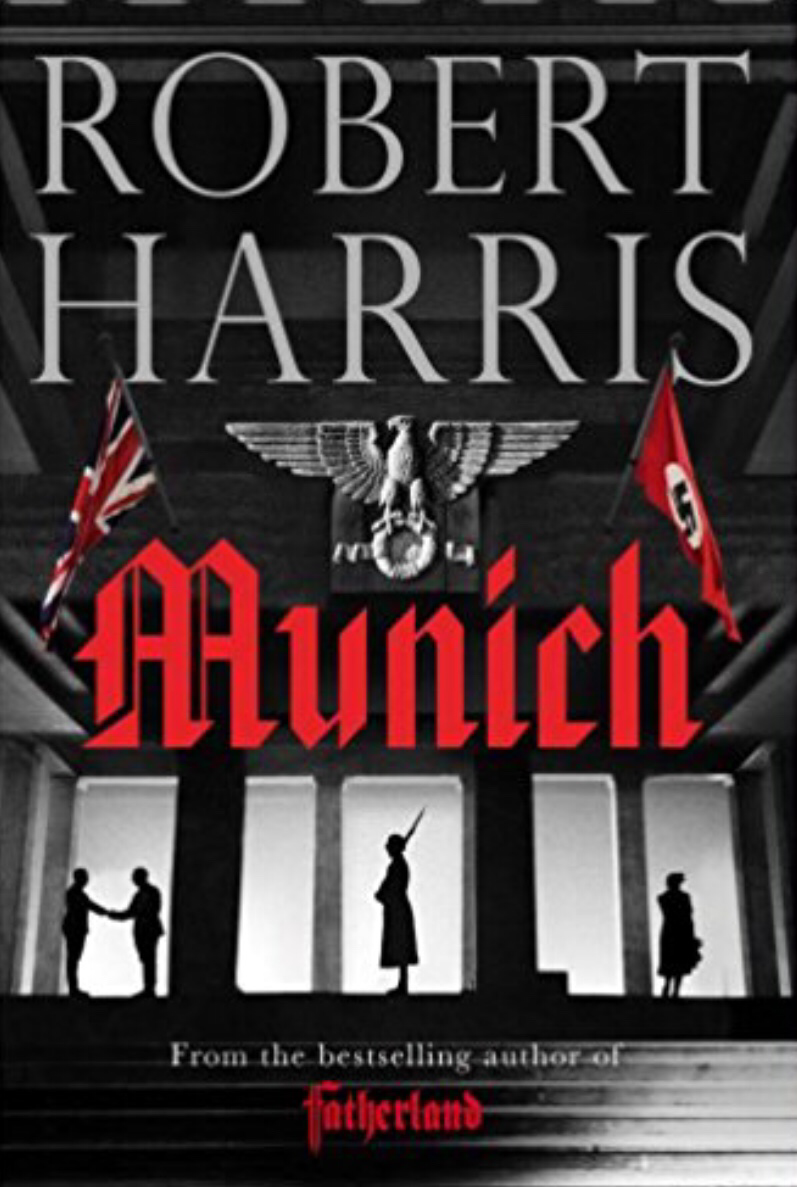 Summary: a tense journey to the heart of banal darkness
 For many
 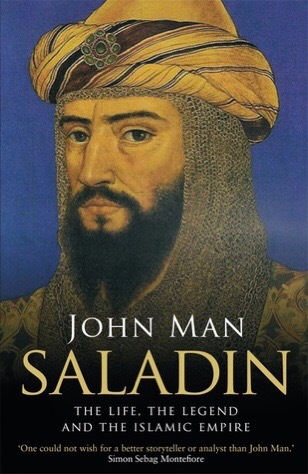 Summary: An entertaining biography of the great Kurdish leader who, in the midst of war, introduced chivalry to the West
