
Summary: a gripping account of the most hostile corporate takeover in history – the East India Company’s bloody seizure of the Mughal Empire
The East India Company was established in 1600 to facilitate trade between England and South Asia. New markets were desperately needed, then as now, following England’s hubristic decision to politically separate itself from its natural economic hinterland in mainland Europe.
The East India Company eventually established trading posts in the Mughal empire, at the time probably the wealthiest state in the world. By the mid-18th Century however cracks began to show in that empire as it lost territory to the south and came under attack from other powerful states in the north: Persia even sacked Delhi in the late 1730s.
By this stage the East India Company was already in possession of an army from earlier conflicts with the French in the region so it soon became drawn into these wars, first as a king-maker allying itself to different south Asian factions, then seizing the opportunity to take the whole state for itself. In other words the British subjugation of India began, literally, as the most hostile of corporate takeovers.
The cataclysm that British rule represented for ordinary south Asians, something still substantially under appreciated in Britain itself, was the subject of Shashi Tharoor’s excoriating Inglorious Empire. Dalrymple traces the origins of this to the general lack of concern by the English for their newly acquired subjects. Rather they viewed their new conquests as “a pirate views a galleon”, and plundered with murderous abandon.
Even the onset of famine in Bengal as a consequence of East India Company depredations did nothing to blunt their extraordinary rapaciousness. The state continued to be looted to provide riches for the Company officers and dividends to English shareholders with no thought of humanitarian relief for their victims. In the end it is estimated that up to 10 million people were starved to death.
In The Anarchy Dalrymple provides a fine narrative account of the establishment of the East India Company and its conquest of India. He draws not only on European sources for this but also Asian ones. Hence he provides a fine and nuanced portrait of an Indian society before, during and after its destruction by the mercenaries of the East India Company, notably Clive.
Dalrymple seems to have something of a soft spot for Warren Hastings, a successor to Clive, who in spite of his complicity with this larcenous enterprise, was something of an Indiaphile. He also brings to new audiences the careers of major India figures such as Tipu Sultan, and casts new light on the careers of figures whose infamy is now largely forgotten, such as Richard Wellesley, brother of the more famous Arthur, Duke of Wellington.
It is said that the curse of the Irish is we remember everything, while the curse of the English is they remember nothing. As England prepares to cut itself loose again from Europe, this is a portion of their history which they should learn urgently. It will help them understand better why India will likely seek to eat them raw in future trade negations.
 In the Greek Myths, Robert Graves provides a sprawling and comprehensive survey of these stories from creation to the return of Odysseus to Ithaca. The approach is mostly “chronological” though some portions, such as Agamemnon’s return and the vengeance of Orestes, are placed in the narrative before temporally subsequent ones, such as the sack of Troy.
 Summary: exquisitely written and utterly gripping account of the first weeks of the First World War
 Summary: a devastatingly powerful account of the impact of murder on its victims and perpetrators. One of the finest books ever about the Troubles in the North of Ireland.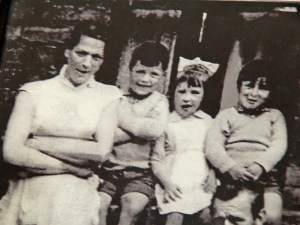
 Summary: a fine novel of ordinary people at war and the horrendous consequences of violence
 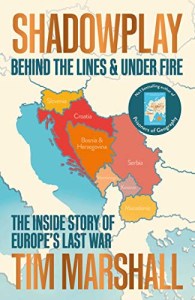 The war correspondent is something of a non-fiction counterpart to crime novels’ gumshoe: a guide through the dark and bloody places that most of us would never dream of personally approaching but still are fascinated by from a few steps removed. Journalistic accounts of war also provide even the most venial of hacks the opportunity to present themselves as heroes of their narratives.
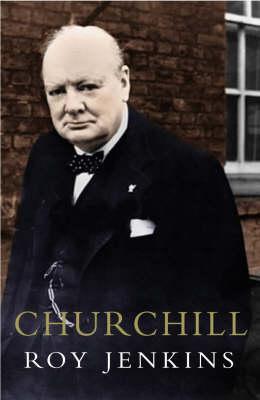 In Brexit Britain one’s attitude towards Churchill is something of a faux-patriotic touchstone. Recently shadow chancellor John McDonnell caused frothing indignation amongst the perpetually offended right-wing of British society when in response to a silly question, “Churchill: hero or villain?” he responded,
 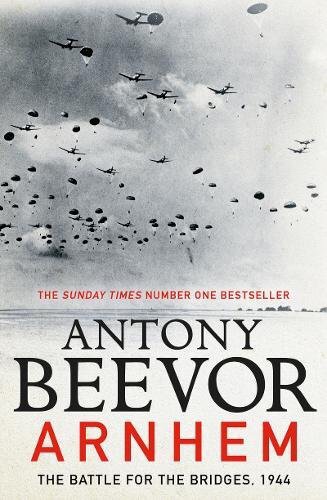 Summary: a thorough, and thoroughly bleak, account of what happens when Europe is divided
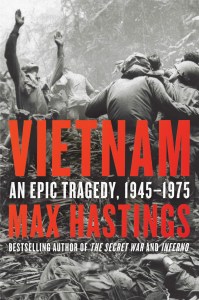 Summary: an elegant account of the cruelty of the Vietnam war
